


Nurturing Attention in Young Singers
Let’s Talk About Attention in the Singing Studio
Paying attention is a challenge for all of us. For kids, it’s even trickier in a world buzzing with distractions. Children are still developing executive function skills like focus, working memory, self-control, and regulation. These abilities take years (sometimes decades!) to mature.
As teachers, we can’t just demand focus on command. But what we can do is nurture it with clear structure, engaging activities, gentle guidance, and plenty of encouragement.
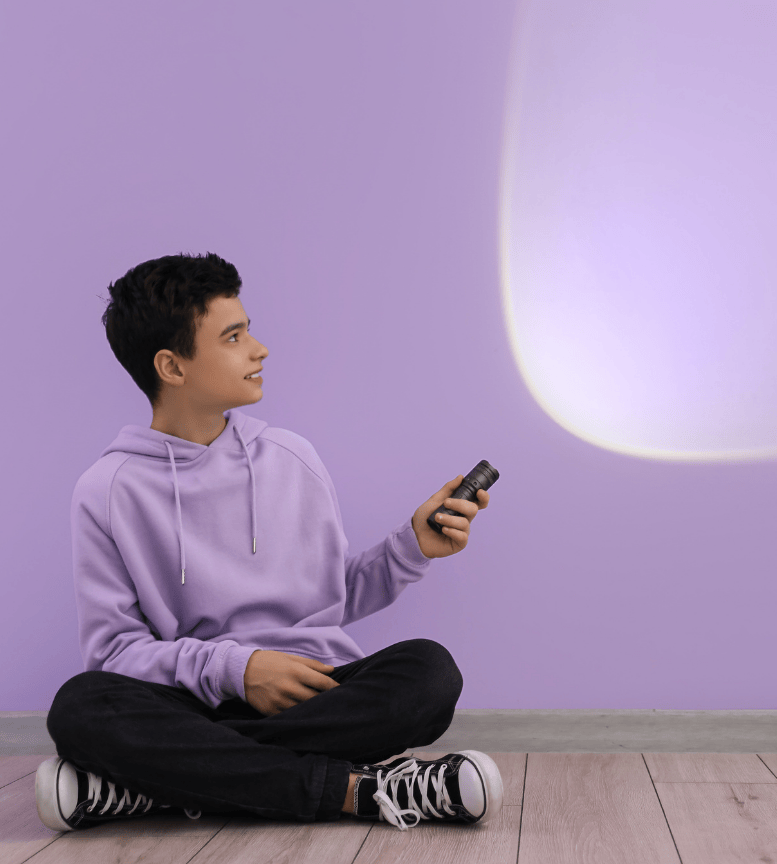
Think of Attention Like a Flashlight🔦
Each of us has just one flashlight, and we can only shine it in one direction at a time. Sometimes we need to spark curiosity to switch the flashlight on. Other times, the beam is aimed at something else entirely:
- The clock.
- A barking dog outside.
- A growling tummy.
- That itchy shirt tag.
And sometimes, it’s not a narrow beam at all—it’s more like a floodlight, scanning everything in high-alert mode. This is often the nervous system in fight, flight, or freeze mode. And here’s the tricky part: this response is sneaky. Many of us have misread a student’s behaviour at some point.
What Fight, Flight, or Freeze Might Look Like in Lessons🚨
- A fidgeting student may not be misbehaving; they could be self-regulating.
- A student who goes quiet might not be defiant; they could be overwhelmed.
- A disengaged-looking learner may actually be in survival mode.
When students feel pressured, confused, embarrassed, or vulnerable while learning something new, their nervous system can quietly switch into self-protection.
And in those moments? Attention simply isn’t available for listening or for learning.
What Teachers Can Do💡
Here’s the good news: there’s so much we can do to support our singers’ attention at every age and stage.
✅ Check in and connect. Relationships first. When students feel seen and safe, their brains can engage.
✅ Connection before correction. Swap “that’s not right” for curiosity. Try “I wonder what would happen if…” instead. It works like magic.
✅ Offer choices. Let them choose the warm-up, the song, or how to start. Agency builds trust.
✅ Encourage student-led learning. Even small leadership roles (like inventing a warm-up) boost confidence and focus.
✅ Lean into play. Playful, hands-on learning is more than fun, it calms the nervous system, sparks curiosity, and helps turn that flashlight beam back on.
At FULL VOICE Music, We’re Always Thinking About Those Flashlights🌈
Every resource we create is designed with developing attention in mind:
- Full-colour, hands-on materials to spark imagination
- Songs that encourage playful exploration and emotional connection
- Activities crafted for growing brains and diverse learners
We make it easier to switch those flashlights on and keep them shining.

👉 Explore our workbooks, songbooks, and repertoire today.